
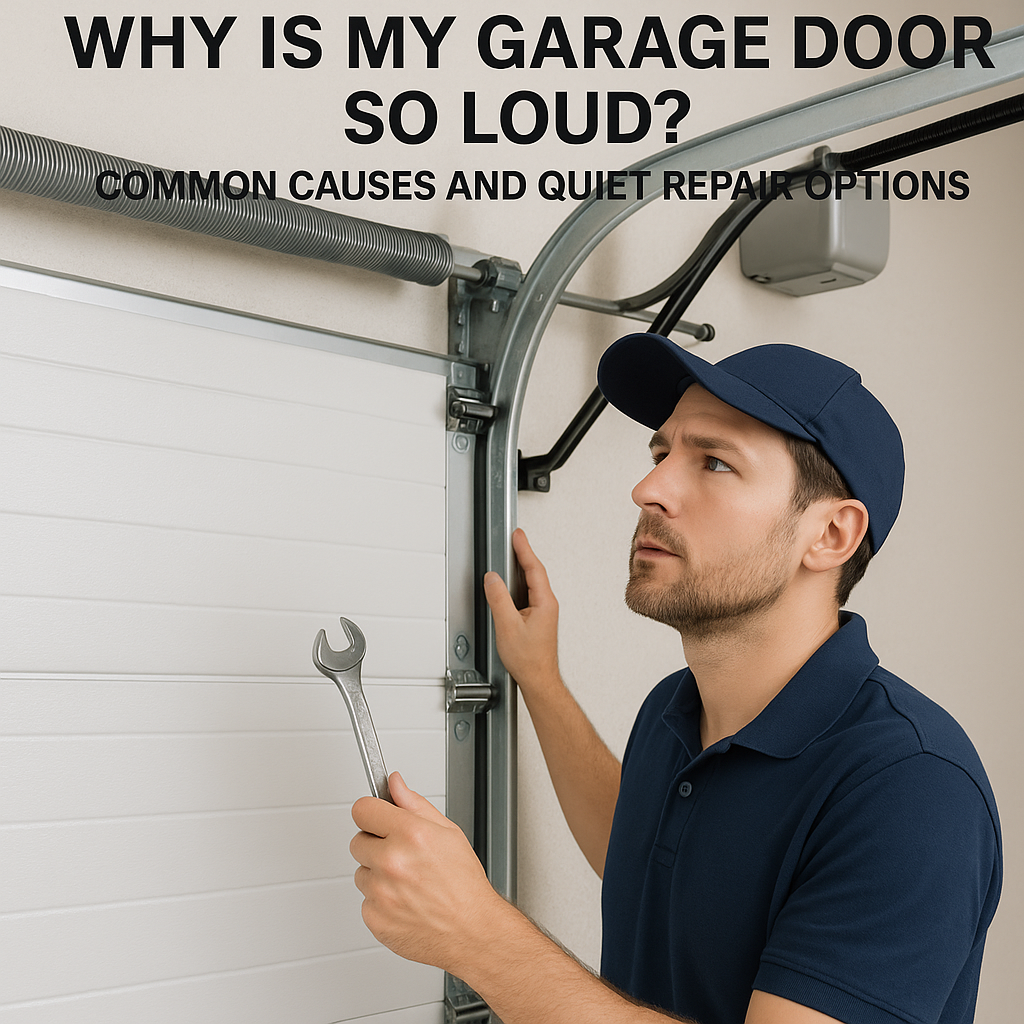
Why Is My Garage Door So Loud? Common Causes and Quiet Repair Options
If your garage door is making more noise than usual, you might be wondering why it’s happening and what you can do to fix it. An unusually loud garage door can be a disturbance not just to you, but also to your neighbors. Understanding the possible reasons behind the noise can help you address the problem effectively. For professional assistance or further advice, consider visiting Garage Door Repair. Here are some common reasons why your garage door could be noisy and some options for quieter operation.
Common Causes of a Noisy Garage Door
1. **Old or Worn-Out Parts**: Over time, parts like rollers, hinges, and springs can wear out, causing noise. Metal parts rubbing against each other can lead to annoying sounds.
2. **Improper Lubrication**: Without regular lubrication, the metal parts of the garage door can create friction, resulting in a screeching or grinding noise.
3. **Loose Hardware**: Components like nuts, bolts, and screws can become loose due to constant movement, leading to rattling sounds.
4. **Off-Balance Door**: If a garage door is not balanced properly, it can cause strain on the motor and other parts, resulting in noise.
5. **Type of Garage Door Opener**: Chain-drive openers are usually noisier compared to belt-drive or screw-drive models.
Quiet Repair Options
Addressing the causes of noise involves some maintenance tasks that can greatly improve the situation:
– **Regular Lubrication**: Applying lubricant to moving parts such as hinges, rollers, and tracks can significantly reduce noise.
– **Tighten Loose Parts**: Regularly check and tighten any loose nuts and bolts to prevent parts from rattling.
– **Replace Worn-Out Parts**: Replacing old parts like metal rollers with nylon ones can result in a quieter operation.
– **Adjust Door Balance**: If the door is off-balance, adjusting it can help reduce noise. It may be wise to consult a professional for this adjustment.
– **Upgrade Your Opener**: Consider upgrading to a quieter model, like a belt-drive opener, for reduced noise levels.
Things to Keep in Mind
It’s essential to regularly maintain your garage door to keep it functioning smoothly and quietly. Frequent checks for wear and tear, proper lubrication, and timely replacements can prevent many noise-related issues. When in doubt, consulting with a professional can provide clarity and perhaps prevent unnecessary expenses. Keeping your garage door in optimal condition will not only reduce noise but also prolong the life of the door mechanism. Remember, addressing smaller problems early can prevent bigger, more costly issues down the line.
Summary
A noisy garage door can be an inconvenience, disrupting the peace in your home and potentially disturbing your neighbors as well. Understanding the causes behind this common issue can provide valuable insights into effective solutions that enhance your home’s ambiance. From problems arising due to old or malfunctioning components to issues related to improper maintenance, a variety of factors can contribute to the increased noise from your garage door.
One of the primary reasons for a loud garage door is the wear and tear of its moving parts. Components such as rollers, hinges, and springs naturally degrade over time. As they wear out, metal parts may rub against each other, generating unpleasant sounds. Therefore, conducting regular inspections to identify worn-out parts can help manage and resolve noise issues effectively. Additionally, considering the upgrade of metal rollers to nylon ones could result in quieter operation.
Improper lubrication constitutes another significant cause of noisy garage doors. Without adequate lubrication, friction between metal parts becomes inevitable, leading to screeching or grinding noises. To counteract this, it’s recommended to implement a routine lubrication practice for moving parts including hinges, rollers, and tracks. Ensuring these parts are well-maintained and oiled can keep your garage door running smoothly and quietly.
Moreover, loose hardware such as nuts, bolts, and screws can generate rattling noises due to the constant movement associated with garage door operations. Regularly checking and tightening these components can substantially reduce such disturbances. Another factor is the balance of the garage door itself. An off-balance door imposes added stress on the motor and other parts, contributing to noise. Adjusting the door balance is recommended, though it may be wise to engage a professional to carry out this task to enhance precision and safety.
Another consideration is the type of garage door opener in use. Chain-drive models are typically noisier compared to their belt-drive or screw-drive counterparts. Upgrading to a belt-drive opener could be a viable option for those seeking quieter performance.
Regular maintenance is crucial to ensure the long-term quiet operation of your garage door. Routine checks for wear and tear, prompt repairs, and consistent lubrication contribute significantly to minimizing noise. Additionally, consulting with a professional can provide guidance on addressing specific issues, preventing unnecessary costs, and extending the lifespan of your garage door mechanism. Such proactive maintenance not only tackles current noise challenges but also prevents future inconveniences, safeguarding the tranquility of your home environment.