
Sure, I can help with that. Here’s an article that meets your requirements:
—
Choosing the Right Garage Door Material: Steel, Wood, Aluminum, or Fiberglass?
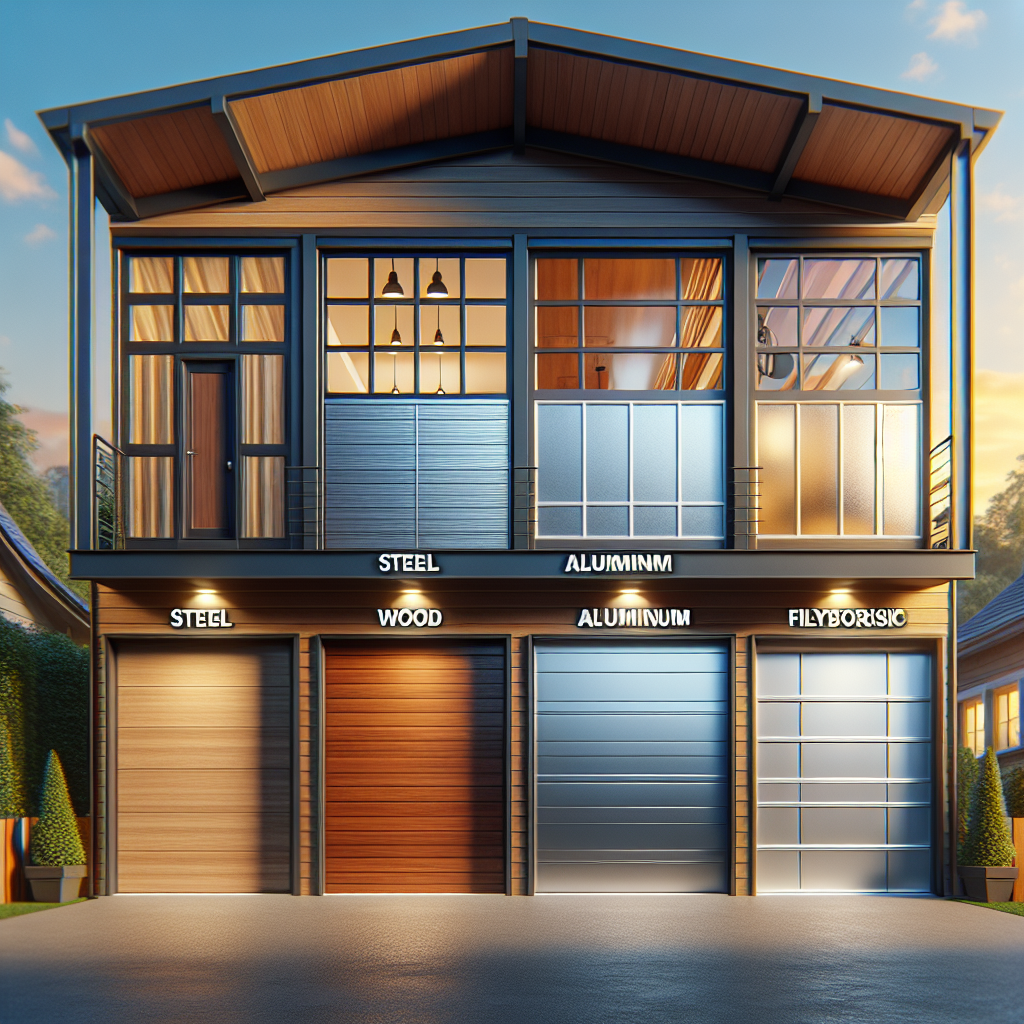
Selecting the ideal material for your garage door is essential, not only for curb appeal but also for security and functionality. Each option—steel, wood, aluminum, and fiberglass—has its unique advantages. As you embark on the search for Custom Garage Doors, understanding the key differences can help you make an informed decision.
Steel Garage Doors
Durability is the hallmark of steel garage doors. They are robust and can withstand harsh weather conditions, making them an excellent long-term investment. Additionally, steel doors require less maintenance compared to other materials, which can save you both time and money in the long run.
Wood Garage Doors
For those who appreciate traditional aesthetics, wood garage doors offer a classic and warm appearance. The visual appeal of wood can enhance the character of any home, especially those with rustic or traditional designs. However, keep in mind that wood doors require regular maintenance to protect against warping and rotting.
Aluminum Garage Doors
Aluminum is known for its lightweight nature and resistance to rust, making it a preferred choice in humid climates. These doors are typically less expensive than steel and wood, and they can be customized with unique finishes and colors. However, aluminum doors tend to dent more easily.
Fiberglass Garage Doors
Fiberglass doors offer a balance between durability and appearance. They can mimic the look of wood without its demanding maintenance requirements. Moreover, fiberglass is resistant to salt air, making it an excellent choice for homes near the coast. The main drawback is that fiberglass can become brittle in extremely cold climates.
Important Things to Know
When choosing a garage door material, consider factors such as budget, climate, and maintenance requirements. Steel doors may be ideal for those prioritizing durability, while wood is perfect for aesthetics. Aluminum offers lightweight convenience, and fiberglass strikes a balance between looks and maintenance. Assess your specific needs and consult with a professional installer to ensure you select the garage door that best fits your home.
Summary
Choosing the right garage door material is a significant decision for homeowners, impacting not just aesthetics but also security, functionality, and maintenance. Each material—steel, wood, aluminum, and fiberglass—brings its unique set of benefits and considerations.
Starting with steel, its primary advantage lies in its durability. Steel garage doors are renowned for their robustness, able to endure harsh weather conditions, and provide a reliable, long-term solution. This makes them especially attractive for homeowners looking for minimal maintenance over the years. Furthermore, steel can be insulated to improve energy efficiency, a notable consideration for those in varying climates where insulation could lead to cost savings on heating and cooling.
Wood garage doors, on the other hand, are deeply valued for their aesthetic appeal. They offer a timeless elegance that can accentuate the charm of any home, whether it be rustic or more traditionally styled. However, the visual benefits of wood come with the responsibility of regular maintenance. Wood doors must be treated to prevent warping or rotting, particularly in harsher weather conditions. This means a commitment to upkeep, but for many, the beauty wood affords to the home’s exterior is well worth the effort.
Aluminum presents an intriguing choice for those prioritizing lightweight, cost-effective options. These doors are perfect for humid climates due to their resistance to rust, ensuring longevity. Moreover, aluminum doors offer a high level of customization with various finishes and colors. Despite these benefits, their lightweight nature means they are more susceptible to dents and damage, which might necessitate more frequent repairs or replacements when placed under stress.
Fiberglass doors blend the strengths of both wood and steel. They provide a compelling combination of durability and appearance, often designed to mimic the natural look of wood while requiring far less maintenance. Particularly in coastal areas where salt air is a concern, fiberglass proves advantageous due to its resistance to corrosion. However, it’s important to be aware of its limitations in extremely cold environments, where fiberglass can become brittle and prone to cracking.
When evaluating these materials for your garage door, consider factors such as budget, local climate conditions, and commitment to maintenance. Your choice will affect your home’s value, energy efficiency, and visual appeal. Therefore, it’s wise to consult with a garage door professional who can guide you based on specific preferences and needs. This ensures your chosen door not only enhances the beauty of your home but also serves your practical needs for years to come.