
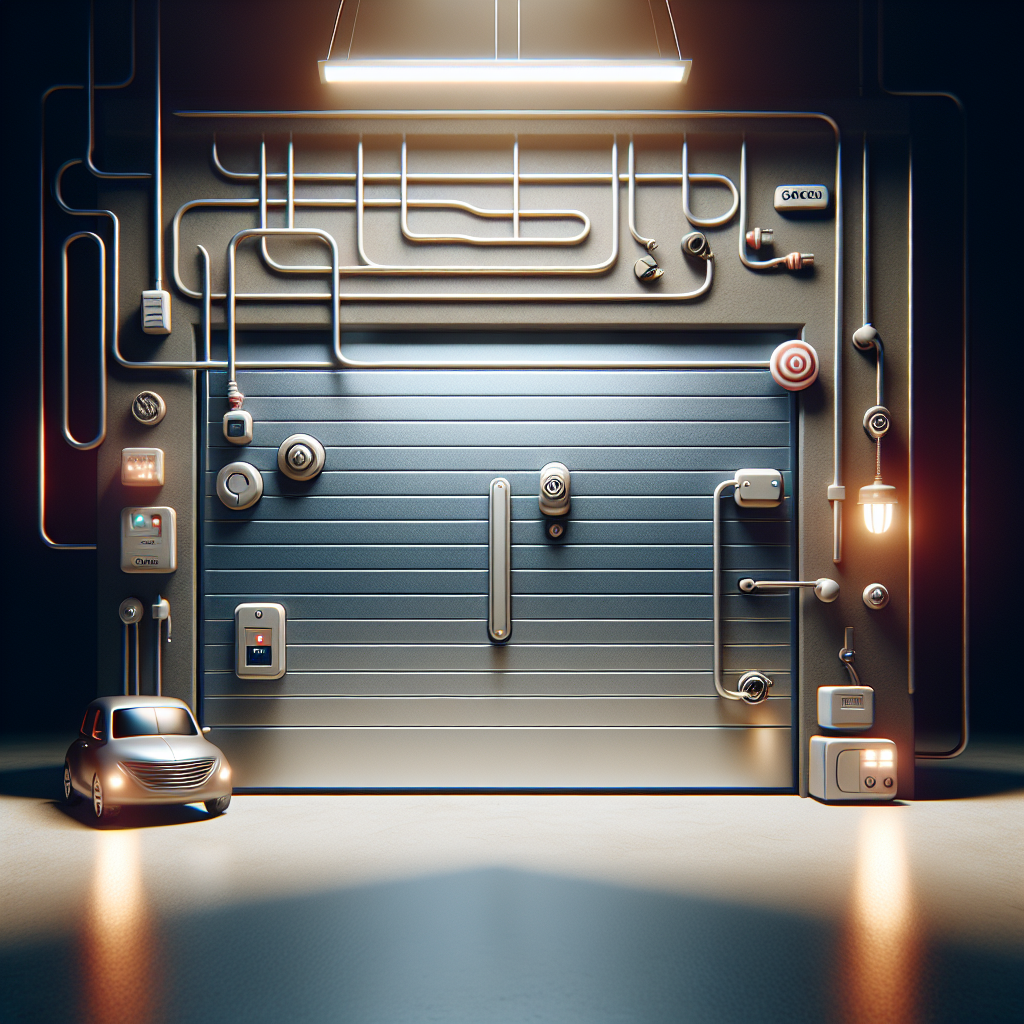
Understanding Why Your Garage Door Won’t Stay Closed
Have you ever experienced frustration when your garage door refuses to stay closed? Not only can this be a security concern, but it can also be a major inconvenience. Understanding the reasons behind this issue is the first step toward finding a solution. Whether it’s due to limit settings, sensor issues, or problems with the floor seal, each factor has a significant impact on door functionality. For professional help, you might consider checking out Garage Door Repair. In this article, we will delve deeper into these contributing factors and provide practical advice for addressing them.
Limit Settings are Incorrect
One common reason a garage door won’t stay closed is incorrect limit settings. The limit settings determine how far the door should travel to close completely. If these settings aren’t calibrated properly, the door may hit the floor too hard and then reverse course. To resolve this, you can adjust the limit settings by turning the screw on the garage door opener unit. A small adjustment might be all it takes to solve the problem.
Sensor Issues
Garage doors are equipped with sensors to prevent them from closing on objects or people. However, if these sensors are misaligned or obstructed, they can prevent the door from closing altogether. Check to ensure the sensors are correctly aligned and free from dirt or debris. Cleaning and realigning the sensors might restore the door’s function.
Floor Seal Problems
The floor seal is another crucial factor. If the seal is excessively worn or damaged, it may not allow the door to close properly, causing it to open again. Replacing the floor seal can prevent drafts and ensure the door stays closed as it should.
Additional Tips and Solutions
1. **Check for Obstructions**: Make sure there are no objects blocking the door’s path.
2. **Inspect the Tracks**: Dented or misaligned tracks can disrupt door operation. Regular inspections can help you catch any issues early.
3. **Lubricate Moving Parts**: Regular lubrication can prevent friction-related issues that might cause the door to malfunction.
4. **Call a Professional**: Sometimes, the problem may require expert intervention. A professional can quickly diagnose and fix more complex issues.
Things You Should Know
Before attempting repairs, always ensure the garage door opener is disabled to avoid injuries. Doing regular maintenance checks can help prevent many common garage door issues. Addressing small problems as they arise can save you from more significant repairs down the road. Understanding these potential problems and their solutions can save you time and hassle, ensuring your garage door remains functional and secure.
Summary
Having trouble with a garage door that won’t stay closed is a common issue that many homeowners face, and it can be a source of security concerns and daily frustration. Grasping the intricacies of why this happens is pivotal to securing a lasting solution. This article walks you through various reasons for this issue, from technical to maintenance-related factors, providing comprehensive guidance to address them effectively.
One of the primary reasons a garage door may not remain closed is incorrect limit settings. These settings dictate the precise point at which the garage door should stop closing. An incorrectly calibrated setup can cause the door to either halt prematurely or hit the floor too hard only to reopen soon after. Realigning these settings often involves a simple adjustment of a screw on your garage door opener, which could potentially resolve the problem almost instantly.
Another common culprit is sensor issues. Garage doors usually come with sensors that detect obstacles, preventing accidents. When these sensors are misaligned or obstructed by dirt or debris, they may trigger the door to stop closing or to reverse course. It’s important to ensure the sensors are clean and appropriately aligned to maintain safe and functional operation.
The state of the floor seal should not be overlooked. A worn-out or damaged seal can incorrectly signal the mechanism to open the door again by failing to maintain the needed pressure to keep it shut. Replacing this seal not only ensures your door stays closed but also provides additional benefits like better insulation and prevention of drafts.
Beyond these specific issues, consistent maintenance can prevent various common problems related to garage door functionality. Always check for any physical obstructions in the door’s operational path. Ensure the tracks are free from dents or misalignment, as these can easily disrupt the door’s smooth movement. Regular lubrication of moving parts greatly reduces wear and tear, helping to keep the door operating smoothly.
Finally, professional assistance may be necessary if the root cause is not easily detectable or fixable. Experts can offer a detailed diagnosis and resolution plan for more complex predicaments, ensuring that your garage door is stable and secure.
It’s crucial to take appropriate safety precautions when troubleshooting or fixing your garage door. Always disable the garage door opener to prevent accidental injuries during DIY repairs. Routine checks and maintenance are vital in catching small issues before they snowball into larger, more costly repairs. By understanding and addressing potential problems early on, you ensure your garage door remains a reliable and safe component of your home. This proactive approach will undoubtedly save you time, money, and stress in the long run.